-min.jpg)
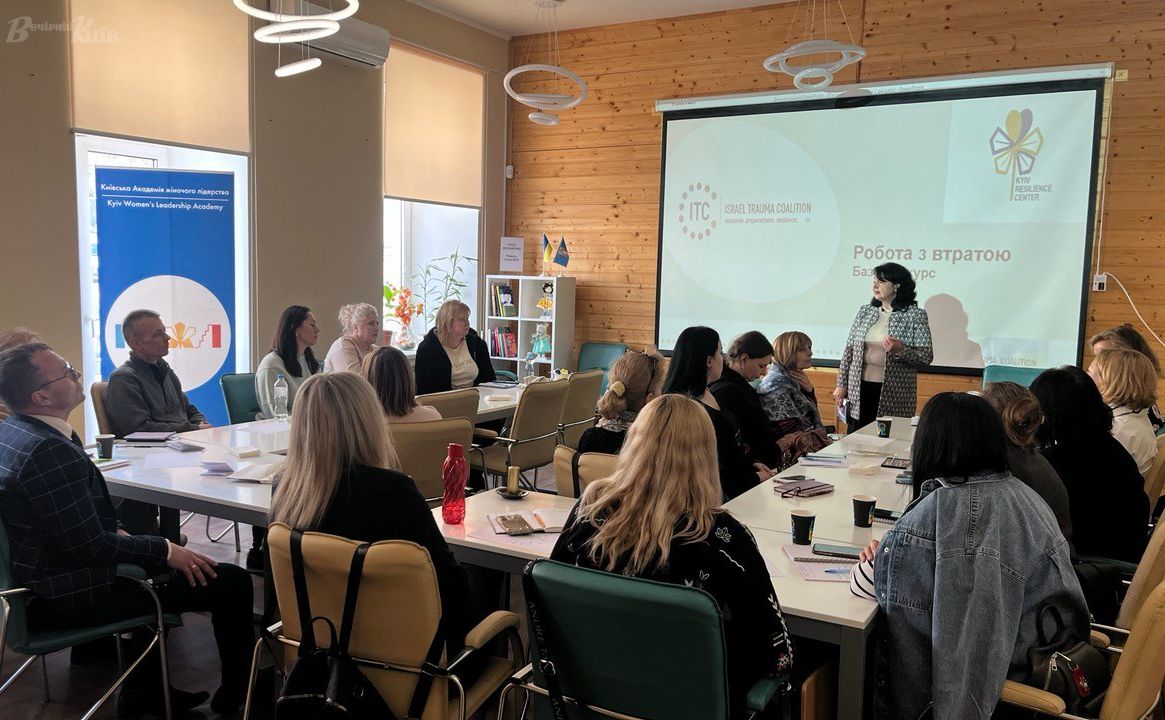
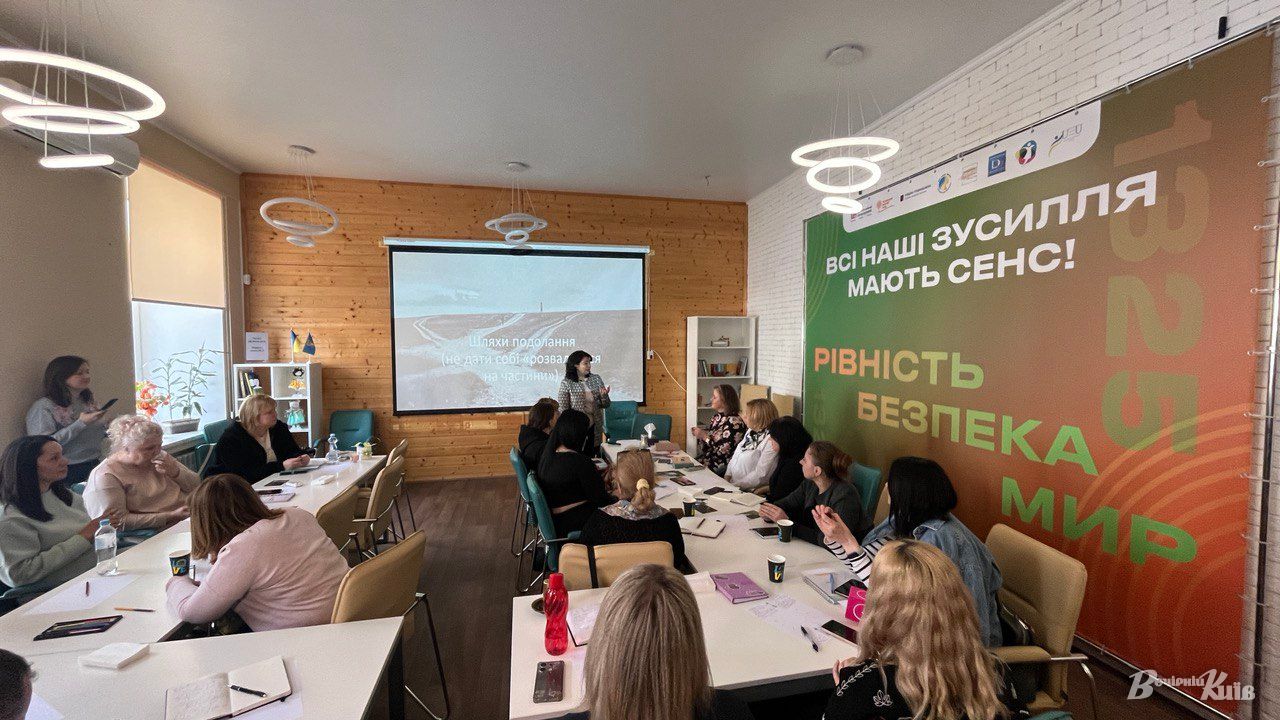
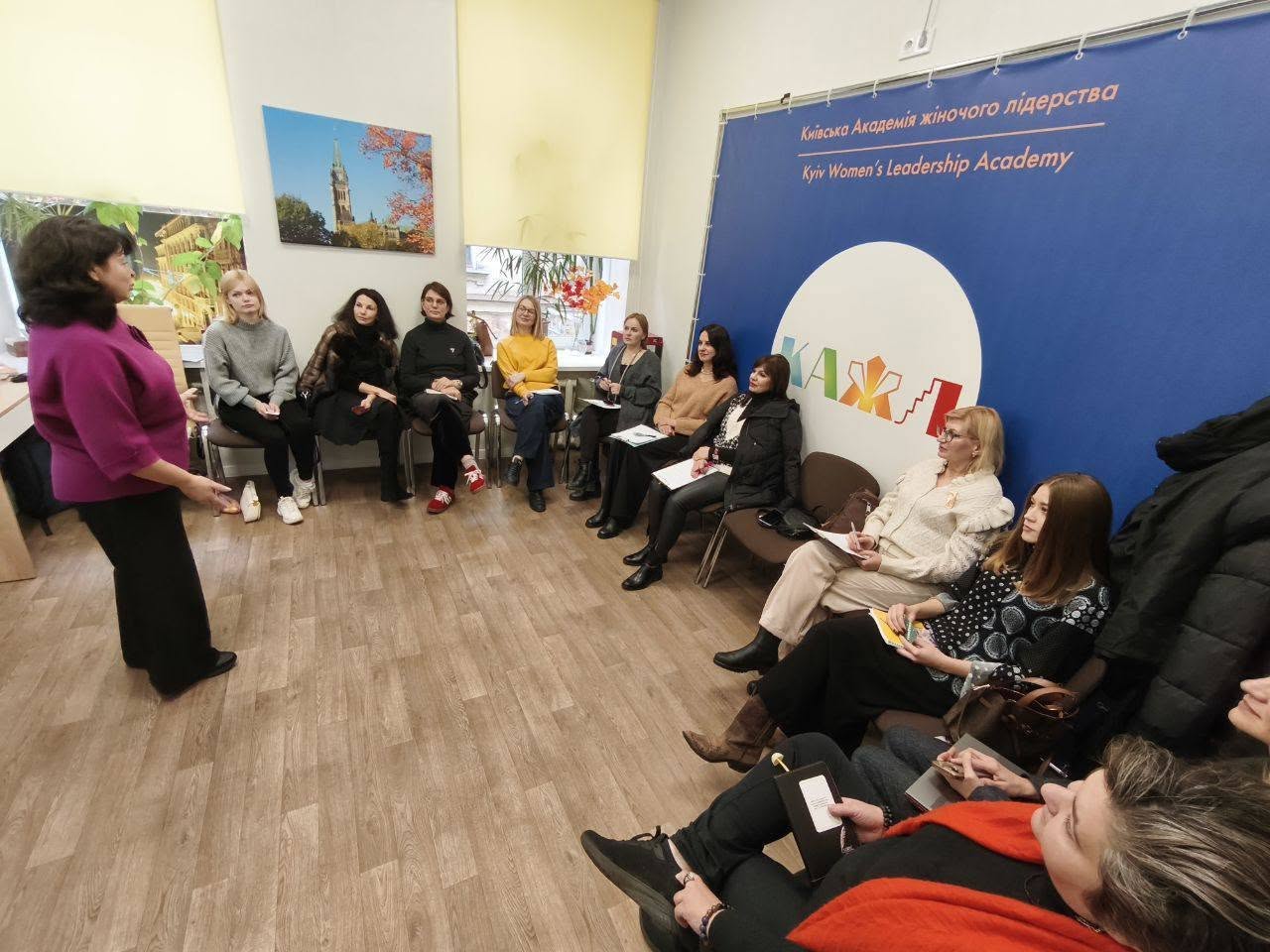
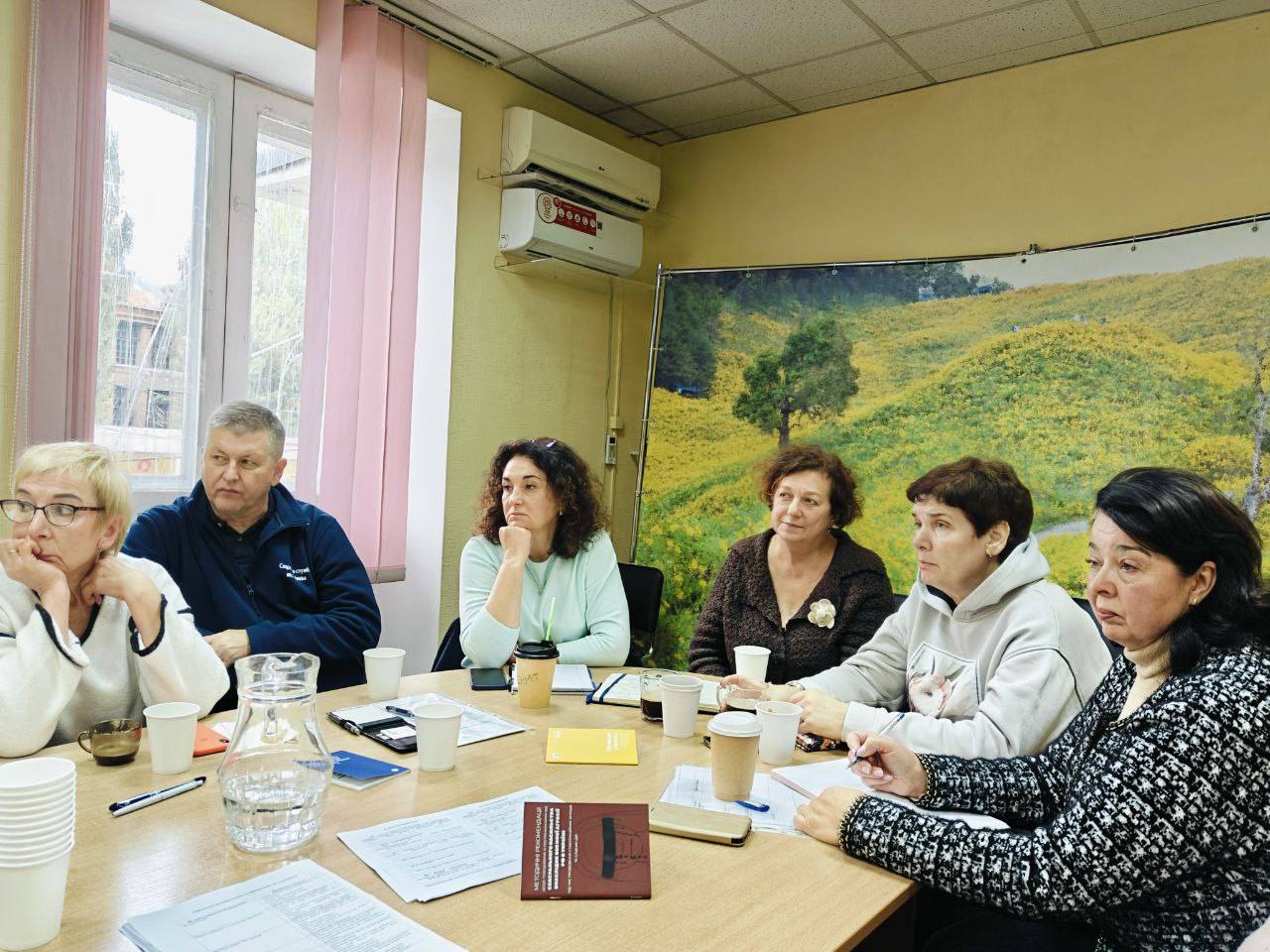
The challenges brought about by the full-scale war have necessitated the training of specialists capable of working with the families of prisoners of war, those missing in action and the fallen. To enhance the professional capacity of staff at the capital's social institutions, the Gender Equality Management Office of the Department of Social and Veteran Policy of the Kyiv City State Administration (KCSA) has initiated a training programme for social workers, social care professionals and social service providers.
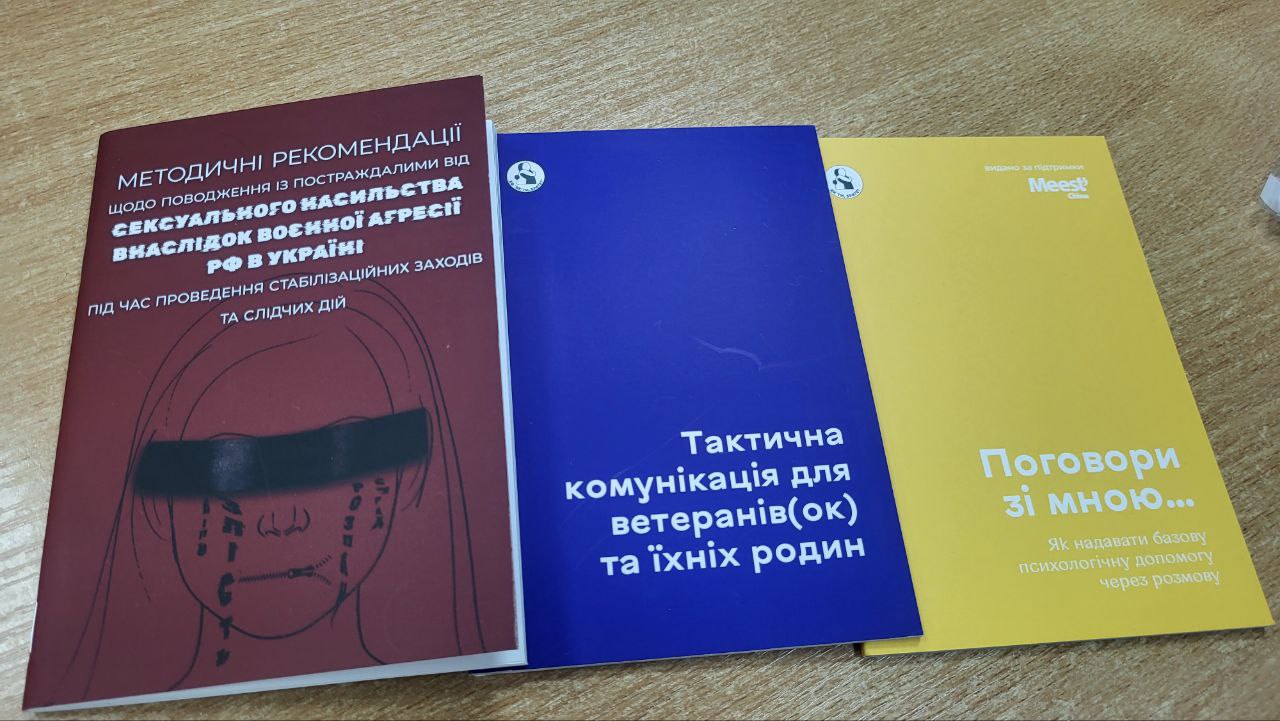
During 2025, in collaboration with the Israel Trauma Coalition and the Kyiv City Centre for Social Services, a psychological support training programme was developed for the families of prisoners of war and those missing in action, as well as for Kyiv residents coping with bereavement. The programme focuses on adapted international practices for working with vulnerable groups of women and men.
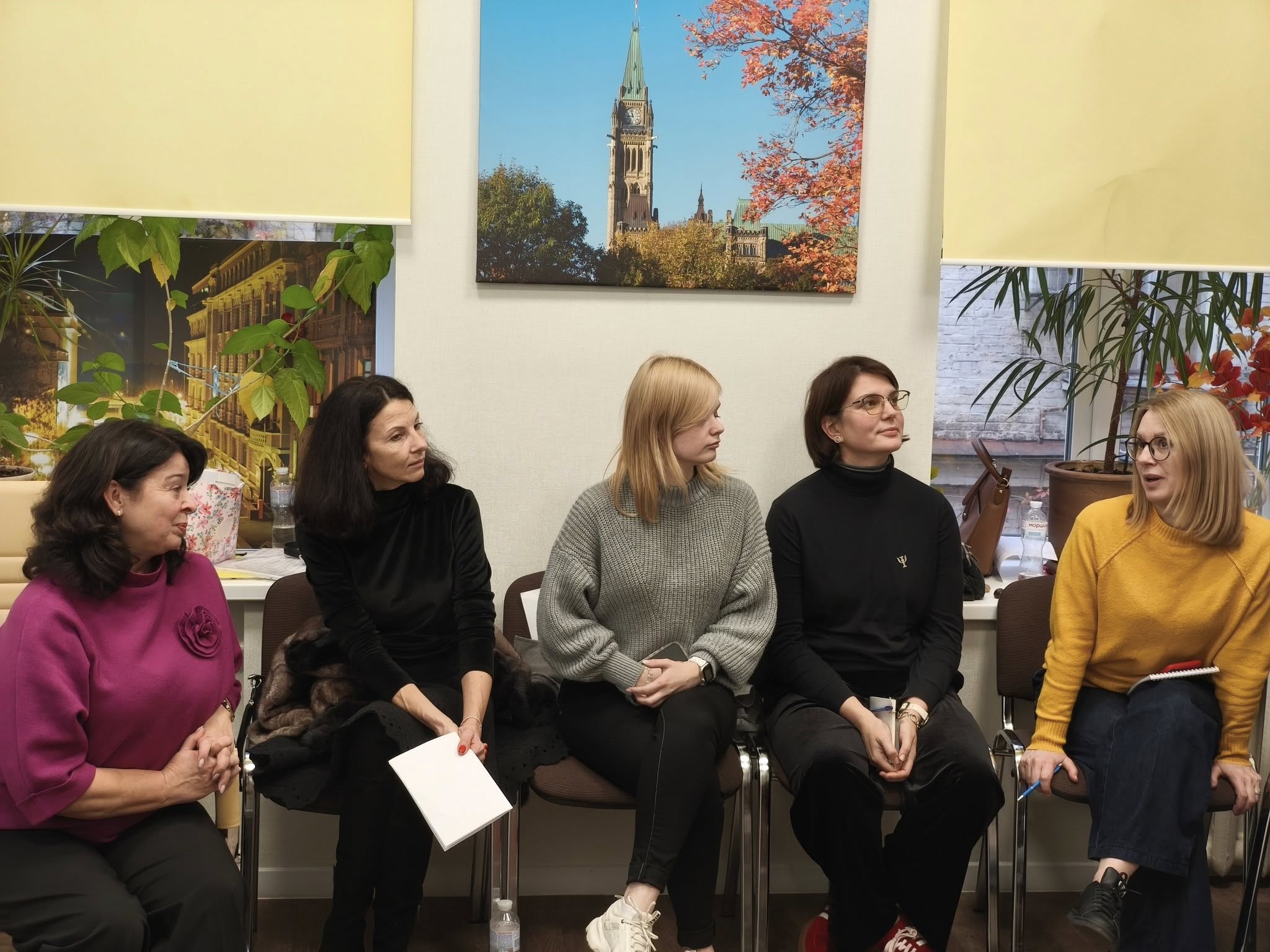
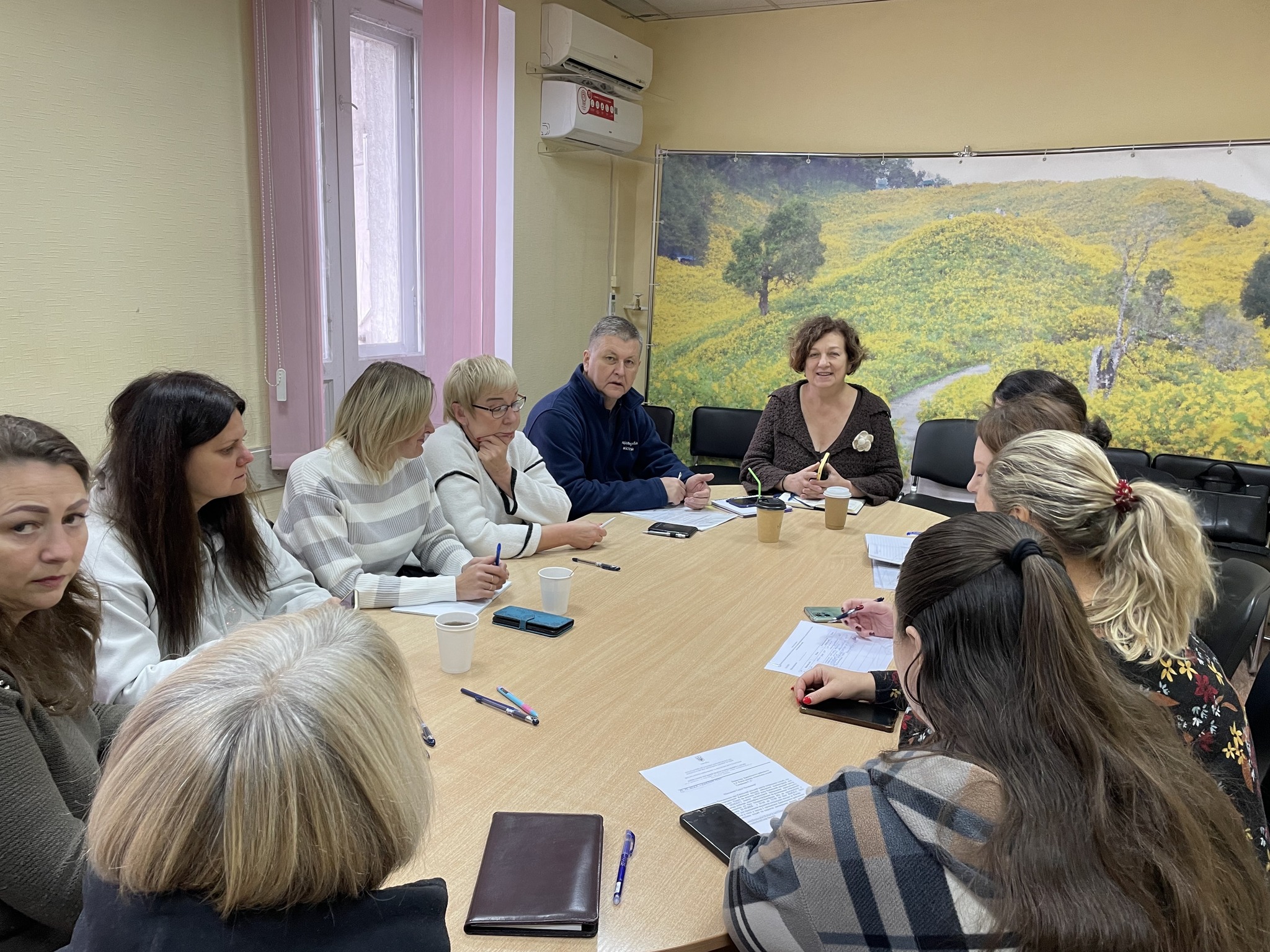
The training included both group and individual consultations, which helped to enhance the professional competencies of over 100 professionals from the city and district centres for social services, the Kyiv City Centre for Gender Equality, Prevention and Combating Violence, the Kyiv City Centre for Children and the Children and Family Affairs Service.
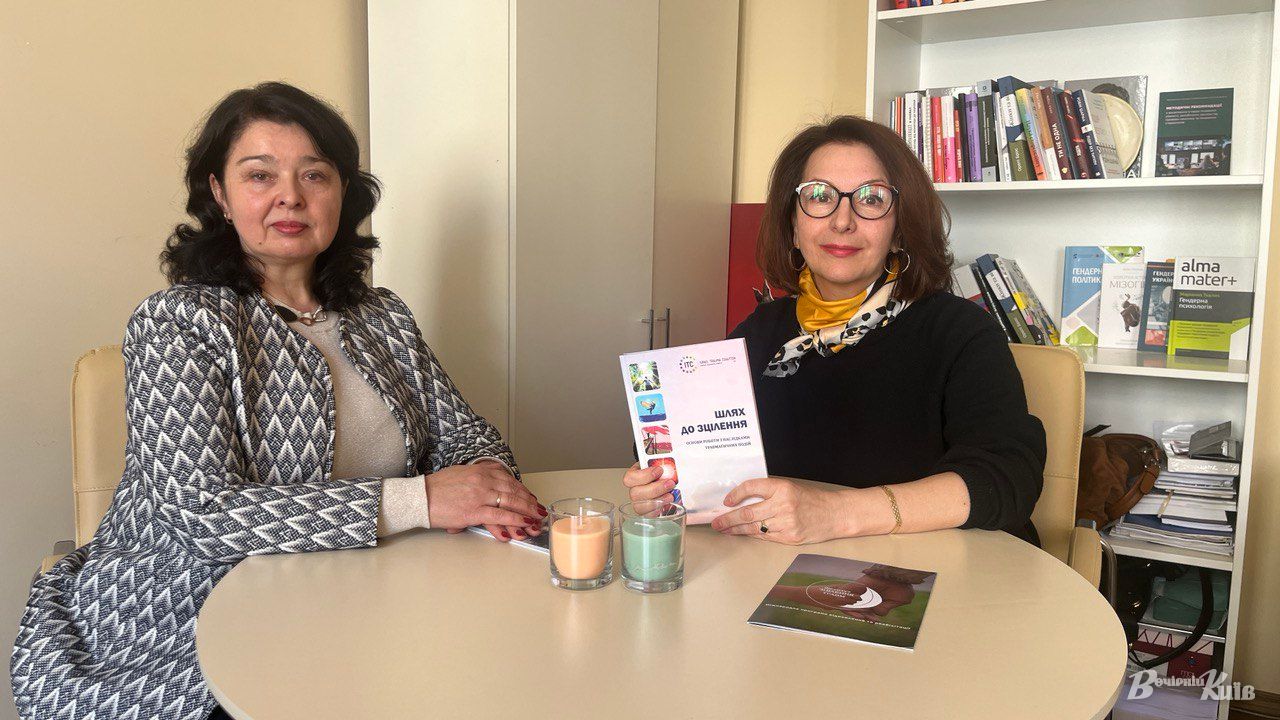
Trainer Tetiana Melnychuk – PhD in Psychology, psychologist and trainer for the Israel Trauma Coalition:
‒ The training combined theory and practice, serving as a space for professional exchange and support for practitioners working daily with the consequences of the war. The topics covered included:
- modern approaches to ethical communication, crisis intervention and emotional support;
- gender-specific aspects of experiencing traumatic events and stress;
- self-regulation tools and the prevention of professional burnout.
Such training for professionals is crucial for ensuring high-quality social services, as they are the first point of contact for individuals in a state of acute vulnerability. Possessing specialised knowledge and skills enables them to provide timely support, prevent the deepening of psychological trauma and restore a sense of safety and trust.
Tetiana Huzenko, Head of the Gender Equality Management Office:
‒ Working with traumatic experiences, the families of prisoners of war and individuals who have experienced violence or bereavement involves a significant emotional burden and the risk of professional burnout. Given the high level of participant engagement and the demand for further educational, methodological and supervisory support for social care professionals, in 2026, the Gender Equality Management Office initiated the integration of supervision and peer supervision into the training activities.
Useful Links:
Strengthening the psychological resilience of professionals providing support to the families of prisoners of war, those missing in action and the fallen
Group consultations have commenced for professionals working with those released from captivity and the families of those missing in action
The capital's social workers and psychologists have been trained to work with individuals coping with bereavement
A training programme titled «Socio-Psychological Support During Bereavement» has been launched